
Flexible Practice Model for NPs - How Female Nurse Practitioners Use EHR Technology to Balance Career and Motherhood
Healthcare is changing and so are the careers of today’s nurse practitioners. More women are choosing a flexible practice model for NPs that allows them to deliver exceptional patient care while maintaining greater control over their personal and family lives. Rather than following the traditional full-time clinic schedule, many female NPs are building hybrid, part-time, or independent practices supported by modern healthcare technology.
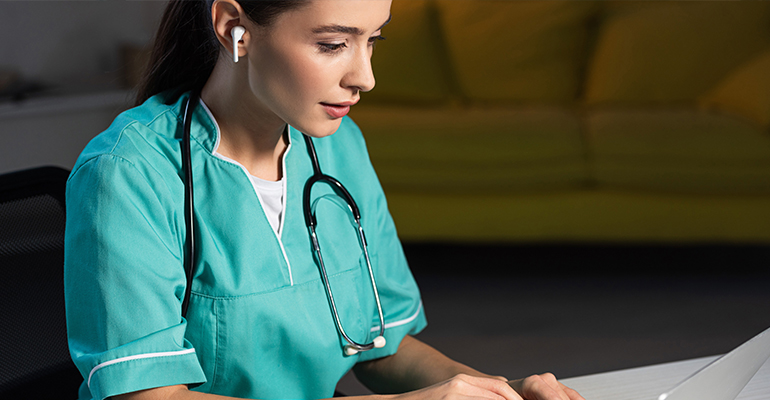
The biggest reason this shift is possible isn’t simply telehealth it’s the combination of cloud-based EHR systems, automated workflows, digital patient communication, and remote practice management. A well-designed flexible practice model for NPs enables providers to maintain high-quality care, improve work-life balance, and continue growing their practice without being physically present in the office every day.
Whether you’re considering reducing clinic hours, launching your own practice, or transitioning to a hybrid care model, the right technology makes flexibility both practical and sustainable.
Why More Female NPs Are Choosing Flexibility Over Traditional Full-Time Models
Nurse practitioners have always balanced multiple responsibilities. For many women, those responsibilities extend beyond patient care to include raising children, supporting aging parents, pursuing continuing education, or managing other personal commitments.
As healthcare evolves, more female NPs are realizing that career success no longer requires a rigid 40- to 60-hour clinical schedule.
Instead, they’re choosing a flexible practice model for NPs because it offers:
- Better work-life balance
- Greater control over scheduling
- Reduced provider burnout
- Opportunities for independent practice
- Improved long-term career sustainability
- More time for family without leaving clinical practice
This trend reflects a broader shift across healthcare, where flexibility has become a priority for both providers and patients. Digital healthcare tools now allow NPs to remain productive while creating schedules that better align with their lives.
What Makes a Practice “Flexible-Ready”?
Flexibility doesn’t happen by accident it requires the right technology infrastructure.
Many practices still rely on disconnected systems that require providers to be physically present for documentation, billing, scheduling, or administrative tasks. That creates unnecessary barriers for part-time or hybrid work.
A flexible-ready practice includes technology that enables clinicians to work efficiently from virtually anywhere.
Cloud-Based EHR Access
Secure cloud-based electronic health records allow providers to review charts, update documentation, prescribe medications, and access patient information from any authorized location.
Remote Administrative Workflows
Scheduling, billing, insurance verification, and reporting should be manageable without requiring staff or providers to be in the office.
Asynchronous Patient Communication
Secure messaging allows patients to ask non-urgent questions, request prescription refills, receive follow-up instructions, and communicate with providers between appointments reducing unnecessary office visits while improving engagement.
Integrated Telehealth
Virtual visits allow providers to reserve in-office time for examinations and procedures while handling follow-ups, chronic care management, medication reviews, and patient education remotely.
Automated Routine Tasks
Appointment reminders, digital intake forms, e-prescribing, and documentation templates reduce administrative burden and free up valuable clinical time.
Internal Linking Opportunity
An integrated platform like EHRCentral brings cloud-based EHR, telehealth, scheduling, billing, patient messaging, and practice management together in one system. Instead of managing multiple disconnected tools, nurse practitioners can streamline daily operations while supporting a more flexible and efficient practice model.
Maintaining Patient Continuity in a Flexible Practice Model
One concern many providers have about reducing office hours is whether patients will experience fragmented care.
In reality, continuity depends less on the provider’s physical location and more on how effectively patient information is managed.
A connected EHR platform ensures that every interaction—whether in person, virtual, or through secure messaging—is documented in one complete patient record.
This allows providers to:
- Review patient history before every visit
- Maintain consistent treatment plans
- Coordinate care across multiple providers
- Improve follow-up communication
- Reduce duplicate testing and documentation
Patient continuity remains one of the strongest predictors of satisfaction and long-term health outcomes.
Internal Linking Opportunity
As discussed in our pillar article, Why Men and Women Seek Healthcare Differently — Why It Matters, nearly 90% of patients value continuity of care when choosing and staying with a healthcare provider. A flexible schedule doesn’t reduce continuity when supported by an integrated EHR it strengthens it by keeping every patient interaction connected.
Real Productivity in Fewer Hours: How Technology Closes the Gap
Working fewer hours doesn’t necessarily mean seeing fewer patients or generating less revenue.
Modern healthcare technology enables providers to accomplish more in the time they work by reducing administrative inefficiencies.
With the right digital workflow, nurse practitioners can:
- Complete documentation faster
- Reduce duplicate data entry
- Schedule appointments more efficiently
- Automate patient reminders
- Process billing with fewer manual steps
- Conduct appropriate follow-up visits virtually
- Improve patient communication without increasing workload
The result is more productive clinical hours and less time spent on administrative tasks.
Rather than working longer days, providers can focus on delivering high-value patient care while technology handles routine processes.
What This Means for Modern Independent Practices
The traditional model of measuring productivity by hours spent in the clinic is becoming outdated.
Today’s successful practices measure success through patient outcomes, operational efficiency, provider satisfaction, and sustainable growth.
For independent nurse practitioners, adopting a flexible practice model for NPs creates opportunities to:
- Expand access through hybrid care
- Reduce operational costs
- Improve provider retention
- Increase patient satisfaction
- Adapt quickly to changing healthcare expectations
- Scale services without significantly increasing administrative overhead
Practices that embrace flexible care models are often better positioned to attract both patients and talented clinical staff who value work-life balance and modern healthcare delivery.
How EHRCentral enhances your healthcare practice?
How Flexible Care Models Can Help You Book More Patients and Grow Your Practice
Patient expectations have evolved significantly over the past few years. Convenience, accessibility, and digital communication now influence how patients choose healthcare providers just as much as clinical expertise.
A flexible practice model allows nurse practitioners to meet these expectations while growing their patient base.
Here are practical ways to use flexibility as a competitive advantage:
Offer Both Virtual and In-Person Care
Giving patients appointment options makes care more accessible for working professionals, caregivers, parents, and individuals with transportation challenges.
Extend Availability Without Extending Office Hours
Virtual follow-ups, secure messaging, and asynchronous communication allow patients to receive timely support even when you’re not physically in the clinic.
Simplify the Patient Journey
Online scheduling, digital intake forms, appointment reminders, and electronic communication reduce friction and encourage higher appointment completion rates.
Build Long-Term Patient Relationships
Consistent communication and easy access improve trust, increase retention, and generate more referrals through positive patient experiences.
Use Data to Improve Operations
Integrated reporting helps identify scheduling trends, patient demand, and workflow bottlenecks so you can optimize your practice over time.
Internal Linking Opportunity
With EHRCentral, nurse practitioners can implement these growth strategies through one connected platform that combines EHR, telehealth, scheduling, billing, patient communication, and reporting. By simplifying operations, providers gain more time to focus on patient care while building a practice designed for long-term success.
Practical Steps to Transition to a Flexible Practice Model
Transitioning to a flexible schedule doesn’t have to happen all at once.
A gradual approach often leads to better patient adoption and smoother operational changes.
Consider these steps:
- Evaluate which appointment types can be offered virtually.
- Implement a cloud-based EHR with integrated practice management.
- Introduce secure patient messaging.
- Automate scheduling, reminders, and documentation where possible.
- Train staff on hybrid workflows and digital communication.
- Monitor patient satisfaction and operational performance.
- Adjust scheduling based on patient demand and provider availability.
Technology should support flexibility, not create additional complexity.
Why EHRCentral Supports Flexible Nurse Practitioner Practices
Building a successful flexible practice requires more than digital records. It requires a connected platform that supports every aspect of patient care and practice management.
EHRCentral is designed to help independent providers and growing practices simplify operations by combining:
- Cloud-based EHR
- Integrated telehealth
- Appointment scheduling
- Medical billing
- Patient communication
- Clinical documentation
- Reporting and analytics
With everything working together, nurse practitioners can reduce administrative workload, improve continuity of care, and create a practice that supports both professional growth and personal well-being.
Conclusion
A flexible practice model for NPs is no longer a niche career option—it’s becoming an important part of the future of healthcare.
Supported by modern EHR technology, telehealth, and automated workflows, female nurse practitioners can build rewarding careers without sacrificing family responsibilities or patient care quality.
The practices that thrive over the next decade will be those that combine clinical excellence with operational flexibility, creating better experiences for both providers and patients.