

Telemedicine for Postpartum Care: Improving Access to Mental Health Services for Women
It’s 2 a.m. The baby finally fell asleep after hours of crying. But you can’t sleep. You’re staring at the ceiling, heart racing, feeling strangely empty not the happy, glowing new mother you expected to be. You love your baby. You know that. But something feels very wrong, and you don’t know who to call.
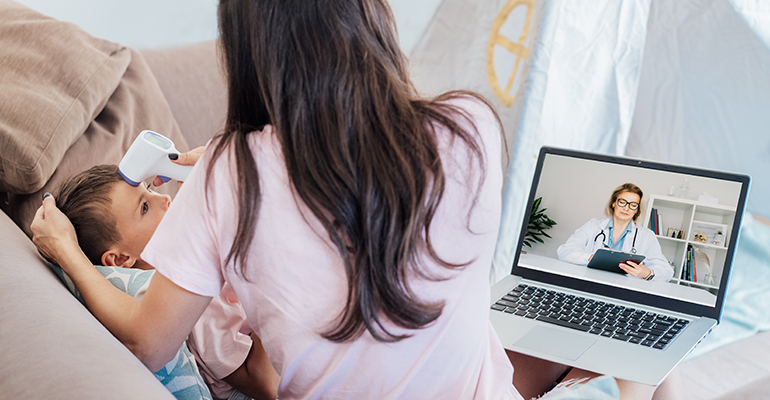
If this sounds familiar, you are not alone. More than 1 in 5 new mothers experience some form of postpartum mood disorder yet many never get help. Not because they don’t need it, but because finding care when you’re exhausted, overwhelmed, and housebound with a newborn can feel nearly impossible.
That’s where telemedicine for postpartum care is changing lives. Virtual care makes it possible to connect with a therapist, OB-GYN, or counselor from the comfort of your own home — no travel, no waiting rooms, no need for a babysitter.
This guide explains what postpartum mental health really looks like, why so many women struggle to get care, and how virtual postpartum care services are making support more accessible than ever.
Understanding Postpartum Mental Health
The weeks and months after childbirth bring enormous physical and emotional change. For many women, the emotional side catches them off guard.
Baby Blues vs. Postpartum Depression
Most new mothers experience “baby blues” — mood swings, tearfulness, and irritability in the first one to two weeks after delivery. This is normal and typically resolves on its own.
Postpartum depression (PPD) is different. It lasts longer, feels more intense, and can begin anytime within the first year after birth. PPD can cause persistent sadness, loss of interest in activities, difficulty bonding with your baby, and in some cases, thoughts of self-harm. It’s a medical condition, not a character flaw.
Postpartum Anxiety
Postpartum anxiety is just as common as PPD but far less talked about. It can show up as constant worry, racing thoughts, trouble sleeping (even when the baby sleeps), or a feeling that something terrible is about to happen.
Both conditions are real. Both are treatable. And neither one means you’re a bad mother.
Barriers to Accessing Postpartum Mental Health Care
Even when women know they need help, getting it is rarely straightforward. Several barriers stand in the way:
- Time constraints. A newborn demands constant attention. Finding an hour for a mental health appointment — plus travel time — can feel impossible.
- No childcare. Many mothers have no one to watch the baby while they attend an in-person visit.
- Stigma. There’s still a cultural pressure to “enjoy every moment.” Admitting you’re struggling can feel like failure, even when it isn’t.
- Limited specialists. In many rural and suburban areas, there are simply not enough perinatal mental health providers. Wait lists can stretch for months.
- Insurance gaps and cost. Mental health care remains out of reach for many women due to cost or insurance limitations.
These barriers are real but they are not insurmountable. Telehealth for new mothers is designed specifically to address them.
What Is Telemedicine for Postpartum Care?
Telemedicine for postpartum care means getting medical and mental health support remotely through a phone, tablet, or computer without leaving home. It connects new mothers directly with OB-GYNs, therapists, psychiatrists, lactation consultants, and other specialists via secure digital platforms.
Virtual postpartum care services typically include:
- Video consultations. Real-time, face-to-face appointments with your provider from your couch, bedroom, or wherever you feel most comfortable.
- Secure messaging support. Ask questions, share concerns, or follow up with your care team between appointments.
- Remote monitoring. Some platforms allow you to track mood, sleep, and symptoms over time, giving providers a clearer picture of your health.
- Online therapy for postpartum depression. Licensed therapists deliver cognitive behavioral therapy (CBT), talk therapy, and other evidence-based treatments via video.
Benefits of Telemedicine for New Mothers
For a new mother who hasn’t slept in three days, even small conveniences matter enormously. Here is what virtual care actually delivers:
No Travel Required
You don’t need to pack a diaper bag, buckle a crying infant into a car seat, and find parking just to get help. Your appointment happens wherever you are.
Access to the Right Specialists
Telehealth removes geographic limits. Whether you live in a city or a rural community, you can connect with a perinatal mental health specialist — a provider trained specifically in maternal mental health — who might otherwise be hours away.
Privacy and Comfort
Talking about postpartum struggles in a clinic waiting room isn’t comfortable for everyone. Virtual sessions happen in your own space, which many women find easier for opening up honestly.
Faster Intervention
Postpartum mental health conditions tend to worsen without support. Telehealth reduces the gap between when a mother notices a problem and when she gets help — which can make a significant difference in recovery.
Consistent, Ongoing Care
Follow-up care often falls apart after a baby is born. Telehealth makes it easier to keep appointments, maintain consistency with a therapist or prescriber, and stay on track with a care plan.
Is Telemedicine Effective for Postpartum Mental Health?
This is a fair question, and the answer is encouraging. Research on telehealth for perinatal mental health has grown substantially over the past decade.
Studies published in journals like the Journal of Affective Disorders and Telemedicine and e-Health have found that video-based therapy and online mental health interventions can be as effective as in-person care for treating postpartum depression and anxiety. Patients in these studies reported high levels of satisfaction, feeling genuinely supported despite the virtual format.
The American College of Obstetricians and Gynecologists (ACOG) has also endorsed expanded use of telehealth for postpartum care, recognizing that the traditional six-week follow-up model is insufficient for most women.
Virtual care is not a replacement for all in-person treatment. Some situations — like a mental health crisis or the need for physical examination — still require an in-person visit. But for the majority of women dealing with PPD, anxiety, or adjustment challenges, online therapy for postpartum depression is a proven, effective option.
Read more on how online therapy is different from in-person therapy here: https://m-hospital.com/healthcare-industry/online-vs-in-person-therapy-how-to-choose-the-right-fit/
How EHRCentral enhances your healthcare practice?
How Telemedicine Supports Healthcare Providers
Postpartum mental health care isn’t just better for patients when it goes virtual — it’s also more sustainable for providers and practices.
- Streamlined patient management. Integrated telehealth platforms allow OB-GYNs, therapists, and care coordinators to view shared patient records, track treatment progress, and avoid duplicate work.
- Better follow-up and continuity. Automated reminders, secure messaging, and flexible scheduling mean providers spend less time chasing missed appointments and more time on care.
- Integrated electronic health records (EHR). Platforms like mHospital combine telehealth with built-in EHR tools, so patient history, prescriptions, and visit notes live in one place accessible to the full care team.
- Efficient scheduling. Reducing no-shows and last-minute cancellations through virtual appointments improves clinic efficiency and revenue sustainability.
For clinics and therapists building out their postpartum care programs, a well-integrated telehealth and EHR platform isn’t a luxury, it’s quickly becoming the standard of care.
When to Seek Help: Signs That Warrant a Conversation
You don’t need to be in crisis to ask for support. But certain signs mean it’s time to reach out sooner rather than later:
- Feeling persistently sad, empty, or hopeless for more than two weeks
- Difficulty bonding with your baby or feeling detached
- Constant anxiety or panic that disrupts your daily life
- Trouble sleeping even when the baby sleeps, or sleeping far too much
- Irritability, rage, or feeling completely overwhelmed most of the time
- Withdrawing from family, friends, or activities you used to enjoy
- Any thoughts of harming yourself or your baby (seek immediate help for this)
If any of these feel familiar, please know: asking for help is a sign of strength. Getting care early leads to better outcomes — for both you and your child.
How to Get Started with Telemedicine Postpartum Care
If you’re ready to try telehealth for postpartum mental health support, getting started is simpler than you might think. Here’s a step-by-step approach:
- Choose a telehealth platform. Look for one that specializes in women’s health or perinatal care, accepts your insurance, and has licensed therapists or OB-GYNs on staff. Platforms like mHospital offer integrated care with both telehealth visits and EHR management.
- Check your insurance coverage. Most major insurers now cover telehealth mental health visits. Call your provider or check your plan online before booking.
- Book your first appointment. Most platforms let you schedule online in minutes. Choose a time when you have 45–60 minutes of relative quiet — nap time works well.
- Prepare a few notes. Jot down how you’ve been feeling, when symptoms started, and any questions you have. You don’t need to have everything figured out — your provider is there to guide the conversation.
- Show up as you are. You can attend in pajamas, with the baby nearby, or in whatever setup feels manageable. There’s no right way to do this. Your provider understands.
- Keep the follow-ups. Postpartum mental health care works best with consistency. Even brief check-in sessions make a meaningful difference over time.
You Deserve Support — And It’s Closer Than You Think
Becoming a mother is one of the most profound things a person can experience. It’s also one of the hardest. Struggling after childbirth doesn’t mean you’re doing it wrong — it means you’re human, and you need support like any human in a difficult time would.
Telemedicine for postpartum care won’t solve everything overnight. But it removes barriers that have kept far too many women from getting care. It puts postpartum mental health support within reach, even at 2 a.m., even in a rural town, even when you haven’t showered and the baby is finally asleep.
Help is accessible. And you are worth the effort of finding it.
Ready to take the first step?
If you’re a new mother wondering whether what you’re feeling is “normal,” the answer is simple: your feelings are worth talking about. Explore telehealth options in your area, or ask your OB-GYN about virtual postpartum care services available through platforms like mHospital. A conversation with a provider could be the most important thing you do this week — for yourself, and for your family.
Healthcare providers: If you’re looking to improve postpartum mental health support in your practice, integrated telehealth and EHR platforms can make it significantly easier to deliver consistent, coordinated care to the mothers who need it most.